Korean Used Cars: How to Import from Korea to Kosovo
Importing Korean used cars to Kosovo can give buyers access to a wide range of models, including sedans, SUVs, vans, and commercial vehicles. A successful purchase takes more than finding a car at the right price: the vehicle must meet Kosovo’s import rules, its condition and documents should be checked, and shipping and customs arrangements need to be planned.
This guide explains the main steps for importing a used car from South Korea to Kosovo, from choosing a suitable vehicle to preparing for customs clearance and registration.
1. Check Kosovo’s vehicle import rules first
Before paying a deposit, confirm that the vehicle can legally be imported. Kosovo Customs states that passenger cars older than ten years cannot be imported and that imported cars must meet at least the Euro 4 emissions standard. It also lists evidence of the vehicle’s origin and ownership among the relevant requirements.
These rules make it important to check a vehicle’s documents before purchase. Do not rely only on a seller’s description or the model year shown in an online listing. Ask for the documents that show the vehicle’s production or registration details and emissions standard, then confirm with Kosovo Customs or a Kosovo customs representative how the age limit applies to that specific vehicle.
A car that looks suitable in a Korean listing may still be ineligible for import. Verify eligibility before arranging inspection, payment, or shipping.
2. Choose a vehicle that fits your needs and budget
Start with how you plan to use the car in Kosovo. Consider passenger capacity, fuel type, engine size, transmission, ground clearance, spare-parts availability, and the type of roads the vehicle will be used on.
When comparing Korean used cars, check the details that affect both suitability and import costs:
-
Make, model, trim, and year
-
Engine size, fuel type, and emissions information
-
Mileage and service history, where available
-
Accident, repair, and repainting records
-
Vehicle identification number (VIN) or chassis number
-
Whether the car meets Kosovo’s import requirements
Compare the full expected cost, not only the vehicle’s purchase price. Budget for inspection, inland transport in Korea, export documentation, sea freight, onward transport to Kosovo, customs duties and taxes, clearance, and registration. The amount due depends on the vehicle and current rules, so request an itemized estimate before making a purchase.
3. Verify the car’s condition before purchase
Photos and a listing description cannot show every part of a used car’s condition. Request available records and ask for an inspection before you commit. A report may help you review vehicle identity, visible body condition, and operating observations for items such as the engine and transmission.
Carpool Korea offers an inspection service that records observable information and can include supporting photographs. The inspection page also explains that availability depends on the vehicle’s category, location, access, and current status, and that a report is not a warranty. Confirm availability and the applicable fee for the specific vehicle before placing an order.
Review any findings carefully. Ask questions about damage, replaced parts, warning lights, mechanical concerns, or differences between the listing and the inspection. Keep the inspection report and vehicle details with your purchase documents.
4. Confirm the purchase and export documents
Once you have selected an eligible vehicle and reviewed its condition, confirm the final price, payment method, export process, and document responsibilities in writing. Make sure the invoice clearly identifies the vehicle and the agreed transaction value.
Kosovo Customs’ general import guidance identifies an invoice and a declaration of the goods’ value among import documents. The exact vehicle paperwork and any additional documents required for customs clearance should be confirmed for your case.
Before the vehicle leaves Korea, ask the exporter to confirm which documents will be provided. Depending on the transaction and shipping arrangement, these may include the sales invoice, vehicle ownership or registration records, export documentation, and transport documents. Check document names and details against the vehicle’s VIN or chassis number to avoid mismatches.
5. Arrange shipping from South Korea to Kosovo
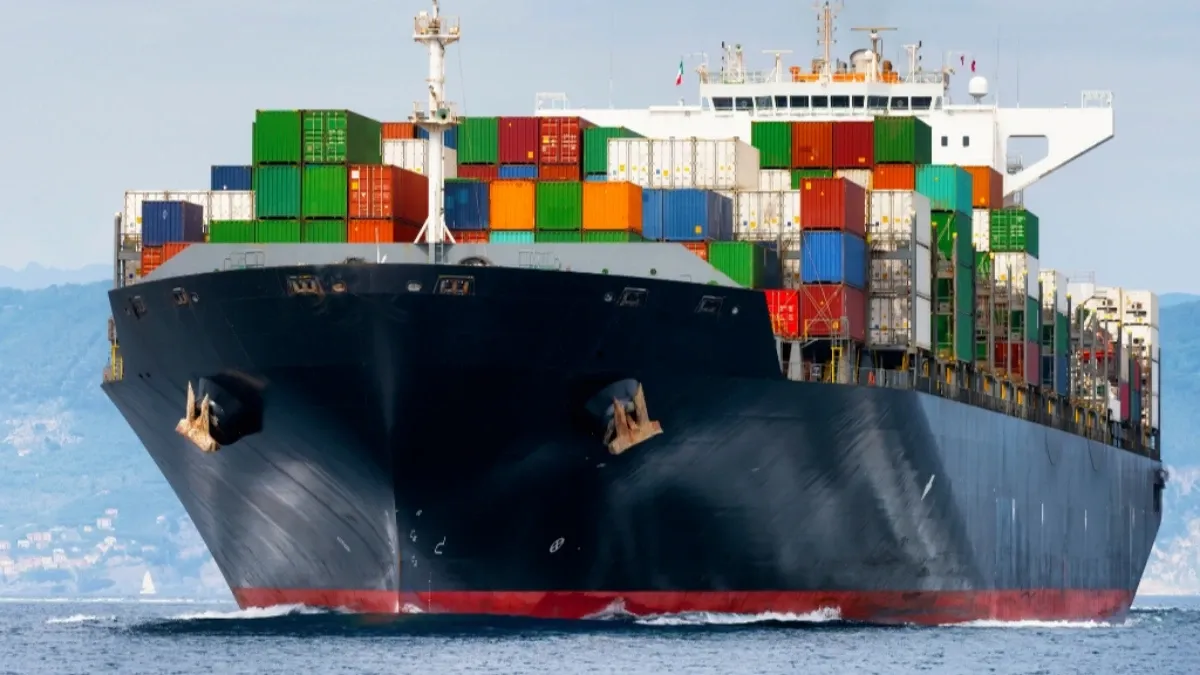
Kosovo is landlocked, so imported cars need onward transport from a port. The route, vessel availability, transit time, and final delivery point depend on the shipping service and current schedules. Ask for the proposed route and a written shipping estimate before confirming.
For container shipping, confirm which vehicles can be loaded together, what preparation is needed, and what the quoted charge includes. Carpool Korea provides container shipping information and coordinates arrangements after reviewing the selected vehicles, their locations, and the destination. Ask the team to confirm the current route, price, schedule, and service terms for Kosovo.
Keep copies of the booking confirmation, shipping instructions, and transport documents. Check that the vehicle details and consignee information are correct before documents are finalized.
6. Prepare for customs clearance and registration in Kosovo
Before shipment, speak with a Kosovo customs representative about the declaration process, valuation, applicable duties and taxes, clearance requirements, and any vehicle-specific approvals. Kosovo Customs says vehicle value is determined from the invoice when it reflects the real transaction value; if it does not, other valuation methods may apply.
After arrival, the vehicle must go through the applicable customs and technical procedures before it can be registered for road use. Confirm the current requirements with Kosovo’s relevant authorities or an authorized local representative, especially any conformity or homologation steps that apply to a vehicle imported from South Korea.
Allow time for document checks, customs processing, technical procedures, and registration. Do not assume that a shipping arrival date is the same as the date the car will be ready to drive.

How Carpool Korea can help
Carpool Korea can help buyers browse Korean vehicle listings, request an inspection where available, and coordinate purchase and export support. Buyers can review the company’s Korean used car listings, vehicle inspection service, container shipping information, and vehicle purchase steps.
For a Kosovo shipment, contact the team with the vehicle listing or VIN, your destination details, and any preferred shipping method. Ask for a current quote and confirmation of the services and documents included.
Conclusion
Importing Korean used cars to Kosovo is easier to plan when you verify eligibility before purchase, check the car’s condition, prepare the paperwork, and confirm the complete shipping and customs costs. Kosovo’s age and emissions requirements make early document checks especially important.
To explore Korean used cars and discuss inspection or export support, contact Carpool Korea with the vehicle details and your destination in Kosovo.
Frequently asked questions
1. What age can a used car be to import into Kosovo?
Kosovo Customs states that passenger cars older than ten years cannot be imported. Confirm how the age is calculated for the specific vehicle before buying, and check the vehicle’s documents rather than relying only on a listing’s model year.
2. What emissions standard must a car meet for import to Kosovo?
Kosovo Customs says imported cars must meet at least the Euro 4 standard. Ask for documentation that confirms the vehicle’s emissions standard, then verify that the documents are accepted for that vehicle before arranging payment or shipping.
3. What documents are needed to import a car from Korea to Kosovo?
The required documents can depend on the vehicle and the import procedure. Kosovo Customs lists an invoice and a declaration of the goods’ value among general import documents, and its vehicle guidance refers to evidence of origin and ownership. Confirm the complete, current checklist with Kosovo Customs or a local customs representative.
4. How much does it cost to import a Korean used car to Kosovo?
The total depends on the vehicle’s price and details, shipping route, transport, customs valuation, applicable duties and taxes, and local clearance and registration costs. Request an itemized estimate before purchase and confirm current charges with the shipping provider and Kosovo customs representative.
5. Can Carpool Korea inspect and ship a car to Kosovo?
Carpool Korea offers vehicle inspection and shipping support, but availability, fees, routes, and schedules should be confirmed for the specific vehicle and destination. Contact the team with the listing or VIN and ask for written confirmation of the inspection and shipping arrangements before paying.
Editorial check before publishing: Confirm Kosovo’s vehicle import requirements, tax calculations, and the applicable shipping route and schedule with the relevant authorities and service providers.